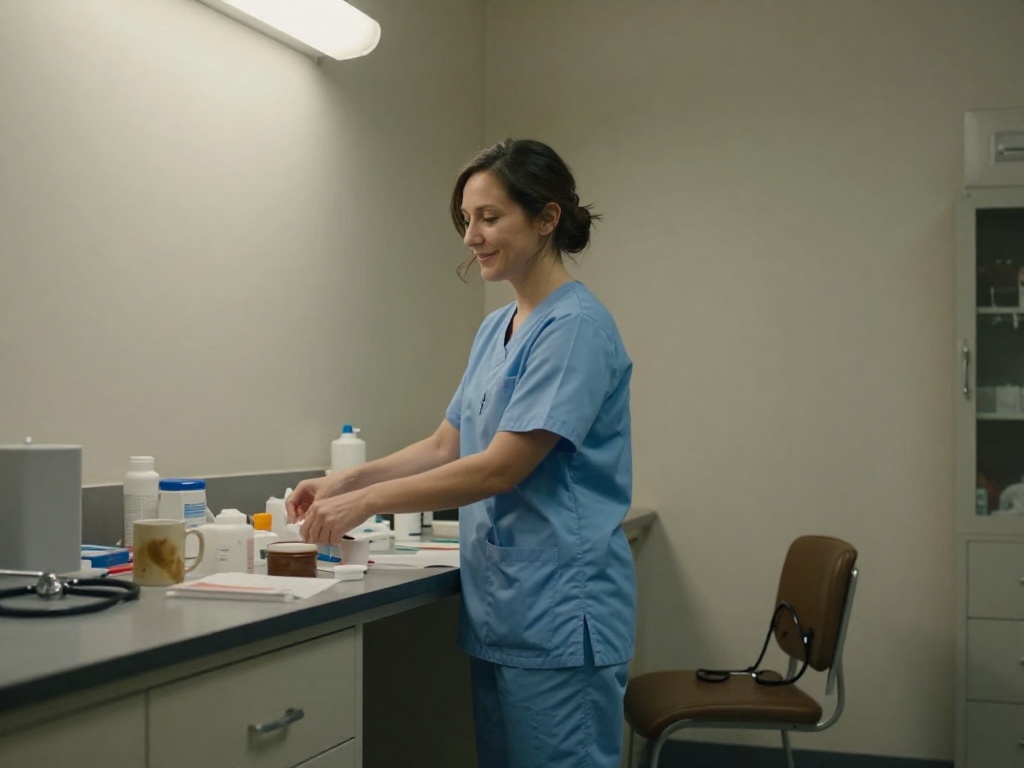
A good nurse practitioner onboarding process is essential for improving retention rates and ensuring a smooth transition to practice. Such a program should have a structured process that begins before an APRN reports for their first day and continues for at least the first 90 days on the job. During this time, pair the APRN with an experienced nurse for mentorship.
Key Takeaways
- APRN onboarding is necessary for ensuring a smooth transition to practice, facilitating productivity, improving retention rates, and ensuring better patient outcomes
- A good APRN onboarding process begins before new hires report for the job and includes preboarding, orientation, training, and providing ongoing support
- Using onboarding software streamlines the process of integrating APRNs into your practice by automating tasks such as credentialing, thus saving time and money
Advanced Practice Registered Nurses play a critical role in providing comprehensive clinical care services to patients. But before new nurse practitioners can take on their roles, you must take them through a comprehensive onboarding and orientation program.
Why is APRN Onboarding Important?
Onboarding for new APRNs includes a comprehensive set of activities to help new hires transition to practice comfortably. These activities start immediately after a prospect accepts a job offer and continue months into their new role. A well-conducted program has the following benefits:
- Increased productivity through clarity in the responsibilities and expectations
- Improved staff retention rates, which can reduce the costs of high turnover rates
- Better patient outcomes
- Increased collaboration between staff
- Increased job satisfaction
What are the Components of a Good Advanced Practice Provider Onboarding Program?
Here are the features of a good integration program to ease new staff into your organization and support their growth and career satisfaction.
Preboarding
Integrating new APRNs into your facility begins before their first day. Preboarding activities include completing administrative paperwork, verifying credentials, conducting background and reference checks, providing access to relevant IT systems, and delivering welcome packets.
Orientation
Preboarding does not mean that new hires are ready to begin caring for patients. Conducting a comprehensive orientation program eases the new hire into the organization. During the orientation:
- Give a comprehensive tour of the facility
- Introduce them to other staff
- Assign mentors
- Provide access to relevant courses for on-the-job learning
- Provide them with a checklist of the activities they should complete within the first 30,60, and 90 days
- Provide training on key health care systems, including Electronic Health Records (EHR)
Formal and Informal Mentorship
Formal and informal mentorship programs contribute to the professional development of your new hires. Formal programs are structured and organized, such as letting a new nurse shadow a preceptor.
Informal mentorship programs are self-directed and happen organically. Your organizational culture should foster informal collaboration between new and existing staff, helping them integrate into the culture and receive support as they grow in their roles.
Clear Goals and Expectations
Clarity is a key factor in determining the success of an APRN onboarding program. Within the first week of starting their new role, you should communicate what is expected of your new hire. Set goals that align with their responsibilities.
Additionally, create a 30-60-90 day checklist outlining what is expected of them during the process. List the administrative and job-related tasks they must complete. As part of this, include regular check-in meetings to assess how well they are integrating into the company and address emerging challenges.
Gradual Ramp-up to Clinical Responsibilities
Even the most experienced nurse practitioner requires time to adjust to the new environment before they can take on multiple clinical responsibilities. Allow your new hires to collaborate with other advanced practice providers before they assume more duties.
By doing this, you protect them from feeling anxious, reduce the risk of errors in patient care, and prevent burnout. It also enhances staff confidence, therefore increasing job satisfaction.
Compliance Training
Compliance training is essential for new clinicians, regardless of their prior experience. Your program should incorporate regulatory training on:
- Federal regulations such as HIPAA, HITECH Act, OSHA, and Stark Law
- State regulations (Vary by state)
- Internal policies
- Clinical practice guidelines
Compliance training helps your providers avoid mistakes that could cost them their career or result in financial and legal liability for your facility.
How Does Using Onboarding Software Automate Nurse Practitioner (APRN) Onboarding?
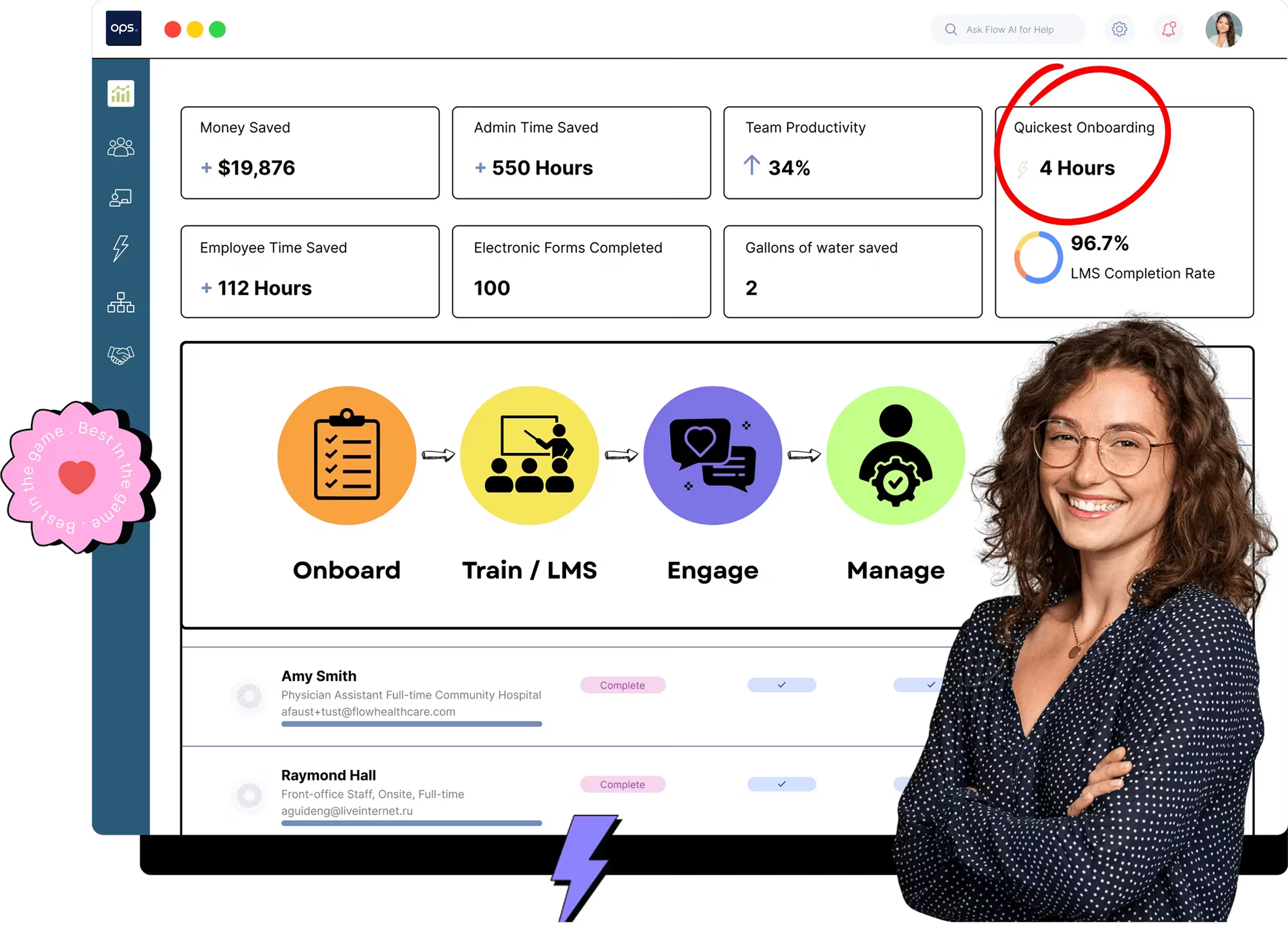
Onboarding software can make it easy for APRNs to transition to practice soon. Tools like ops.work automate key tasks in the onboarding process, saving you time and money while improving job satisfaction, productivity, and compliance.
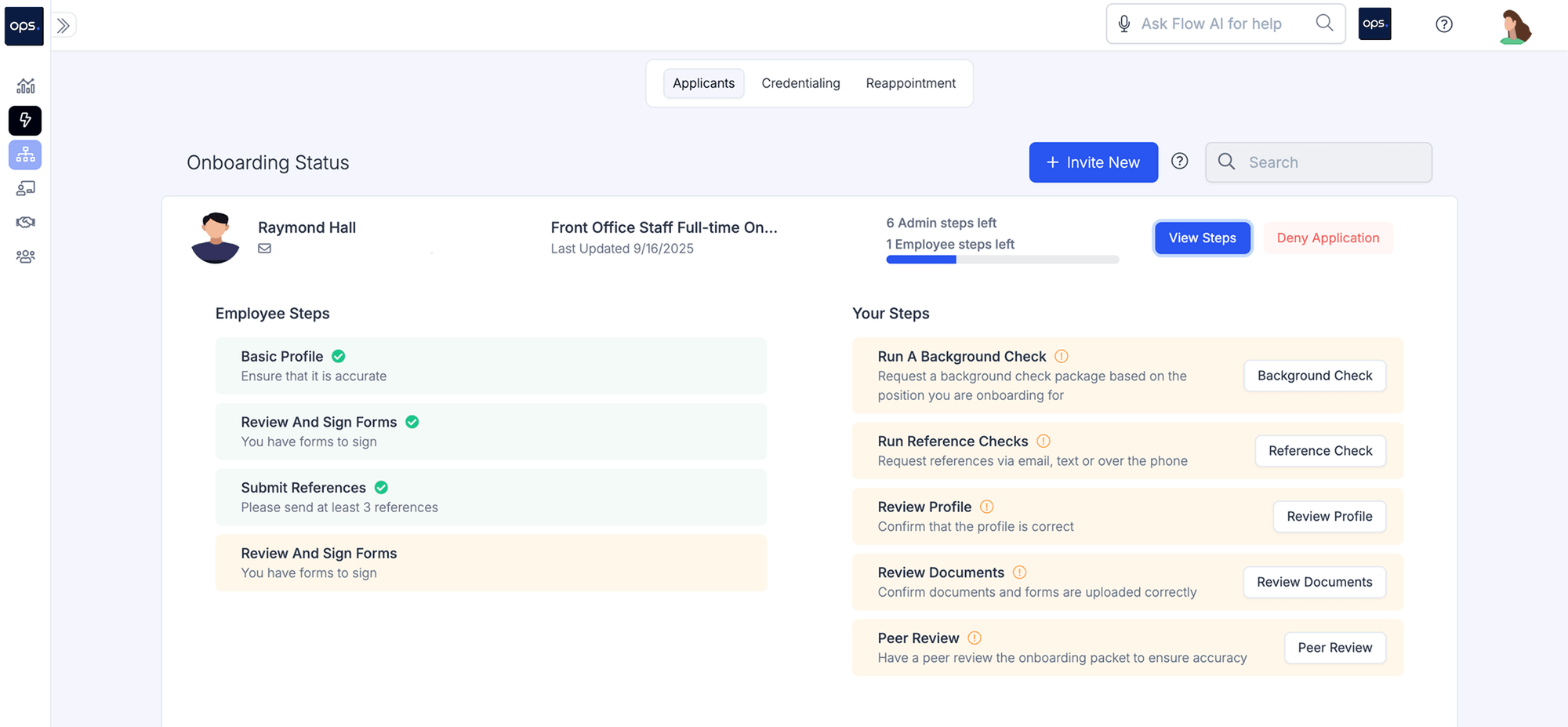
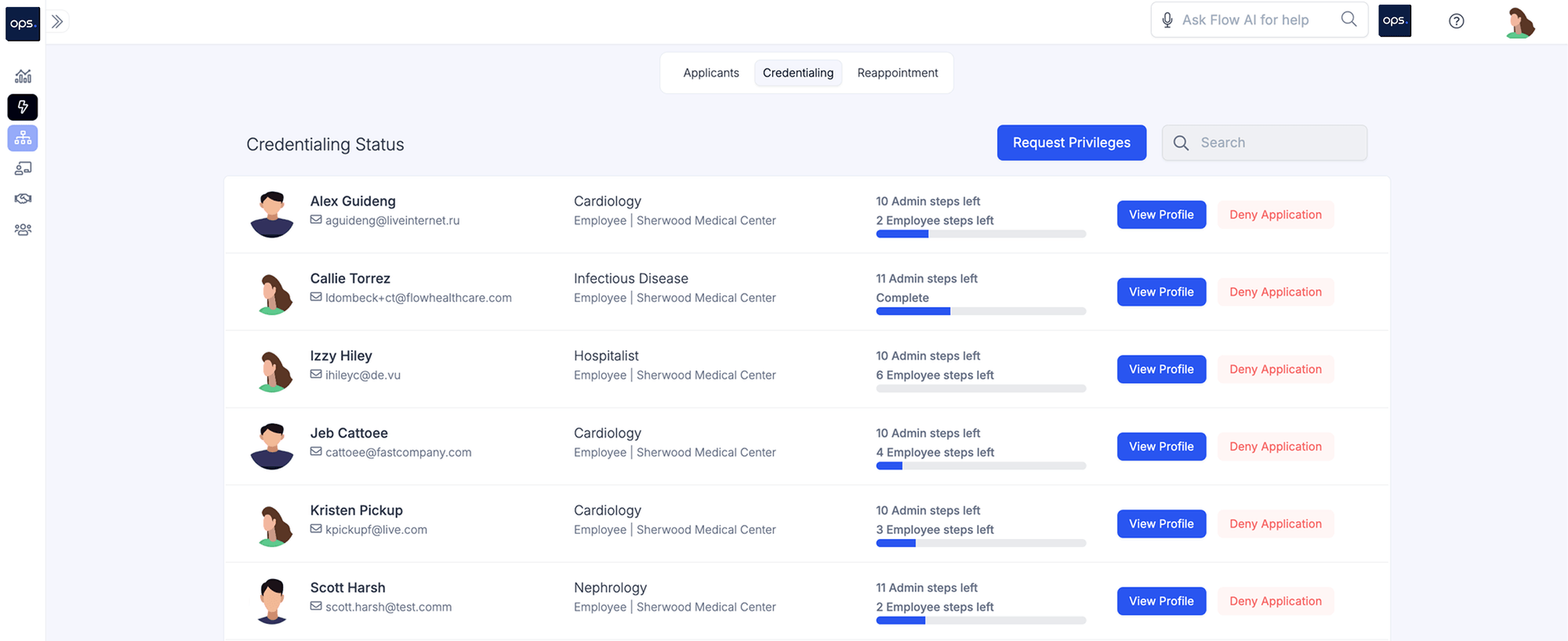
The platform allows you to view the credentialing status for all applicants, including the steps they still need to complete. Here’s a view of the onboarding status dashboard:
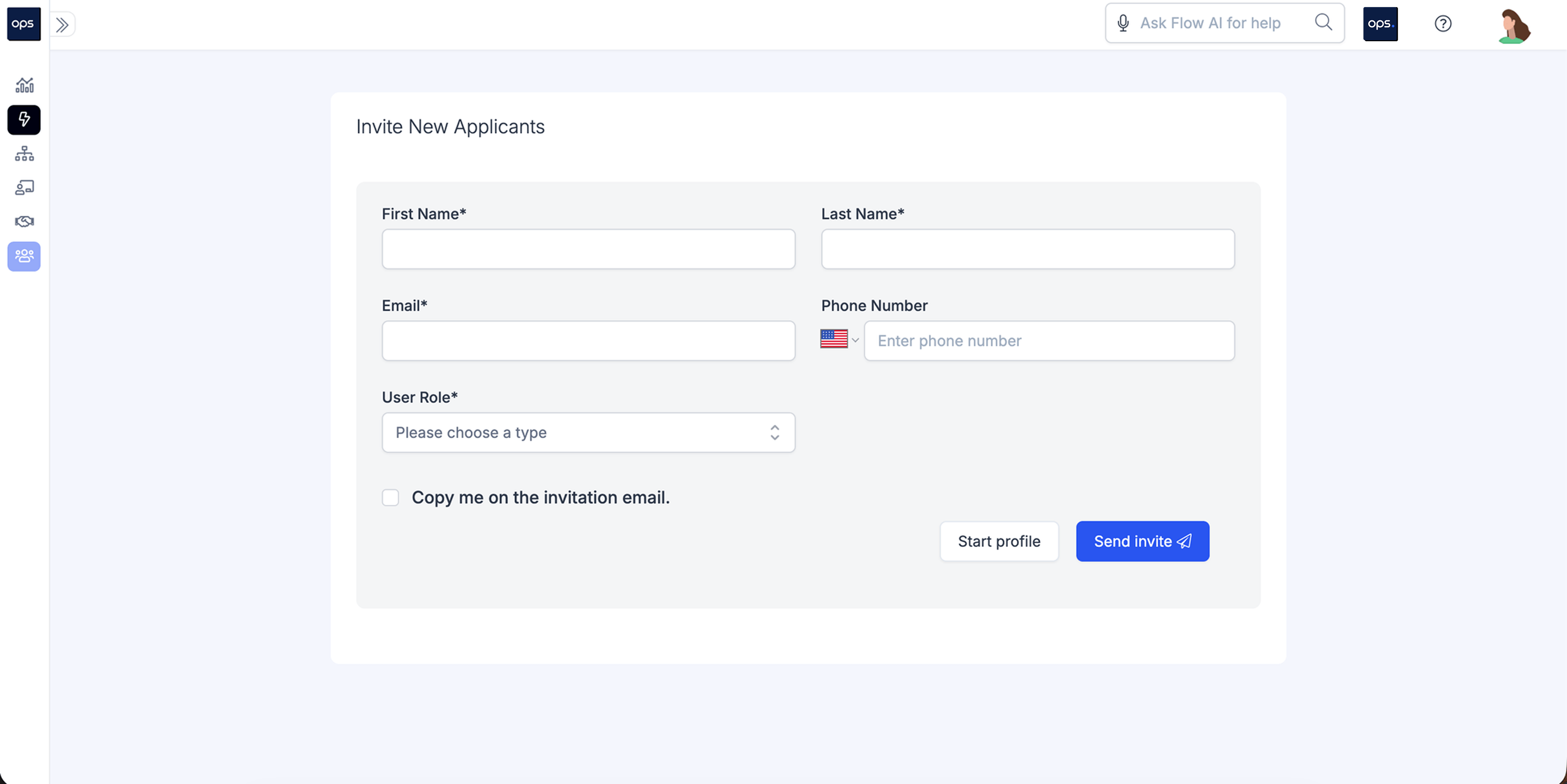
In addition to tracking the credentialing status, you can automate various onboarding tasks with ops.work. Start with our free plan to see how ops.work automates these tasks:
Adding applicants to your platform through invitations
Automated credentials verification
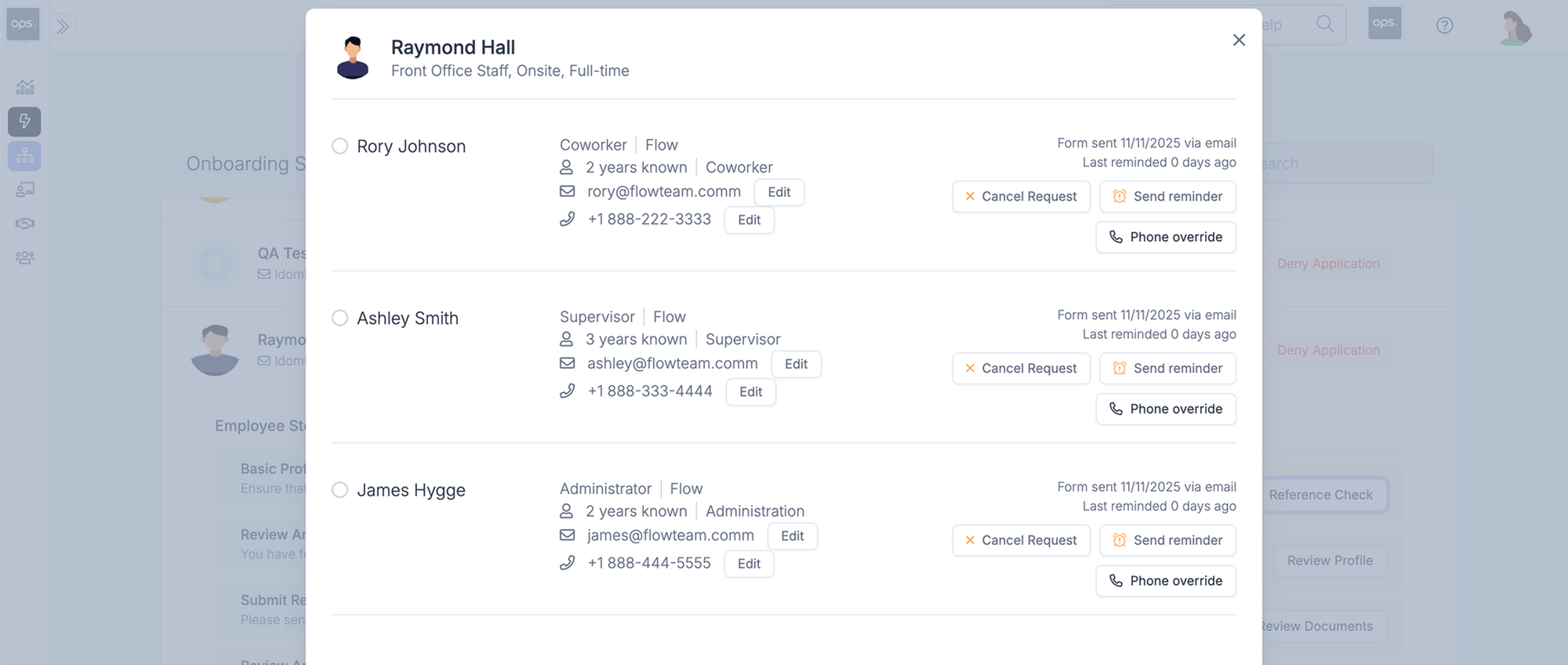
Background and reference checks for all new employees
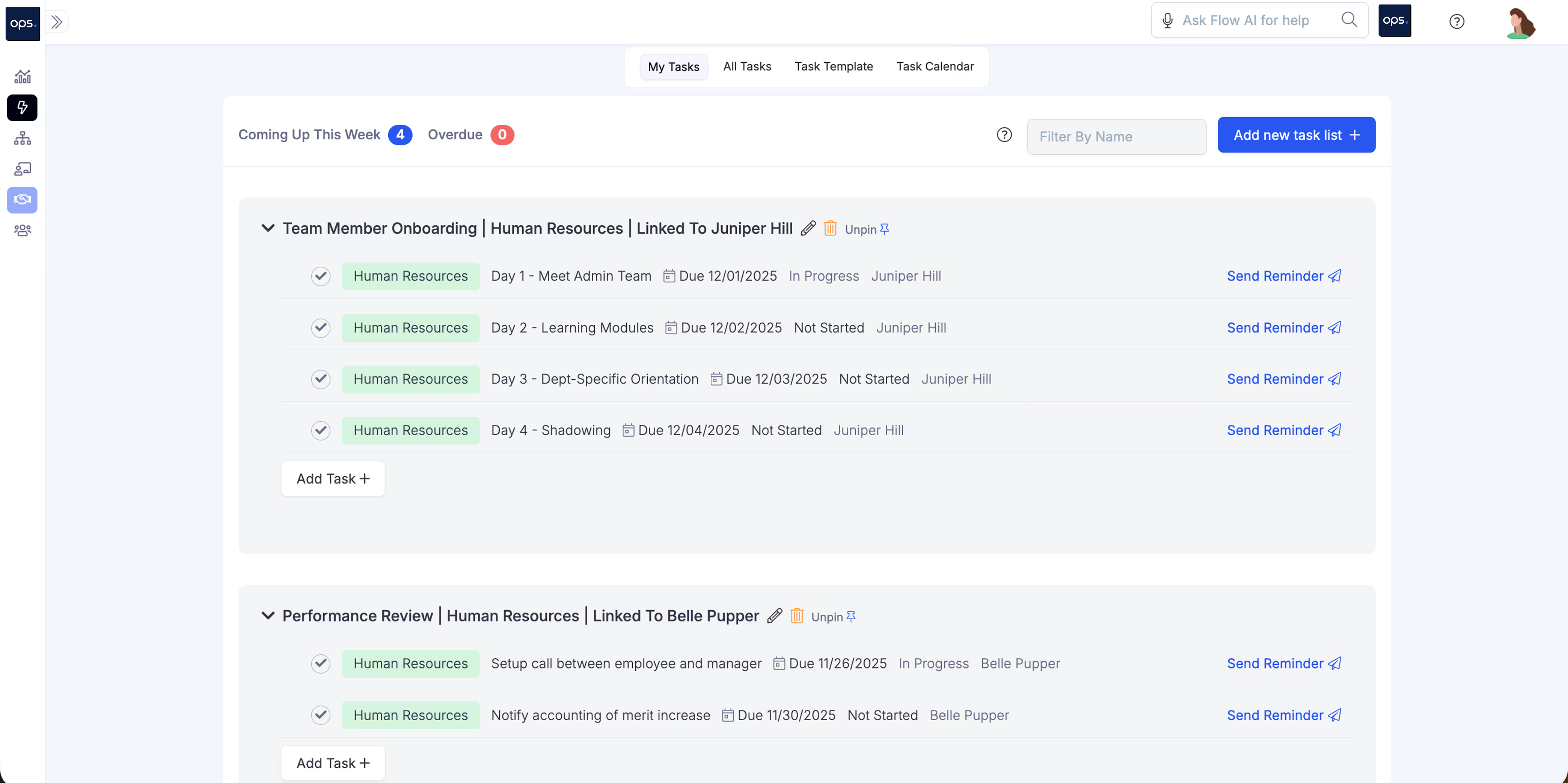
Automatically assigning tasks and training courses to each practitioner
Conclusion
Facilitating your APRNs’ successful transition into practice should be a priority when you want to reduce staff turnover while maintaining continuity in patient care. Offer your nurses the opportunity to learn from one another and build their competence gradually through personalized onboarding and ongoing training.
References
Chaney, Amanda, et al. “Nurse Practitioner and Physician Assistant Onboarding in a Family Medicine Practice.” Journal of the American Association of Nurse Practitioners, vol. 34, no. 3, 18 May 2021, https://doi.org/10.1097/jxx.0000000000000611.
Grek, Ami, et al. “Advanced Practice Nurse and Physician Assistant Orientation Program: A Critical Piece in the Onboarding Process.” The Journal for Nurse Practitioners, vol. 18, no. 6, Apr. 2022, https://doi.org/10.1016/j.nurpra.2022.02.028.
Ziegler, Amy, "Development of an Advanced Practice Provider Onboarding Structure" (2018). Doctor of Nursing Practice (DNP) Projects. 119. https://repository.usfca.edu/dnp/119
Frequently Asked Questions
Credentialing for nurse practitioners involves verifying their certifications, licensure, and other qualifications. The steps involved include:
- Submitting relevant documents
- Primary source verification
- Verifying competency
- Payer enrollment
- Background and reference checks
- Exclusions monitoring
- Checking for malpractice and disciplinary actions
High turnover rates, manual processes, compliance requirements, and personalization are the common challenges in onboarding APRNs. You can address most of these challenges by using automation to ease the burden on your administrators, while delivering a consistent experience and increasing staff engagement.
with regulatory requirements
- Clarify their role and responsibilities
- Culture - help them understand the structure and culture of the org
- Connection with other members of the organisation
- Check-ins with the new hires for feedback
An effective employee integration program eases your new staff into their role, allowing them to learn as they go while providing support from colleagues. This reduces anxiety, helps them solidify their skills, and reduces the intent to leave your facility.