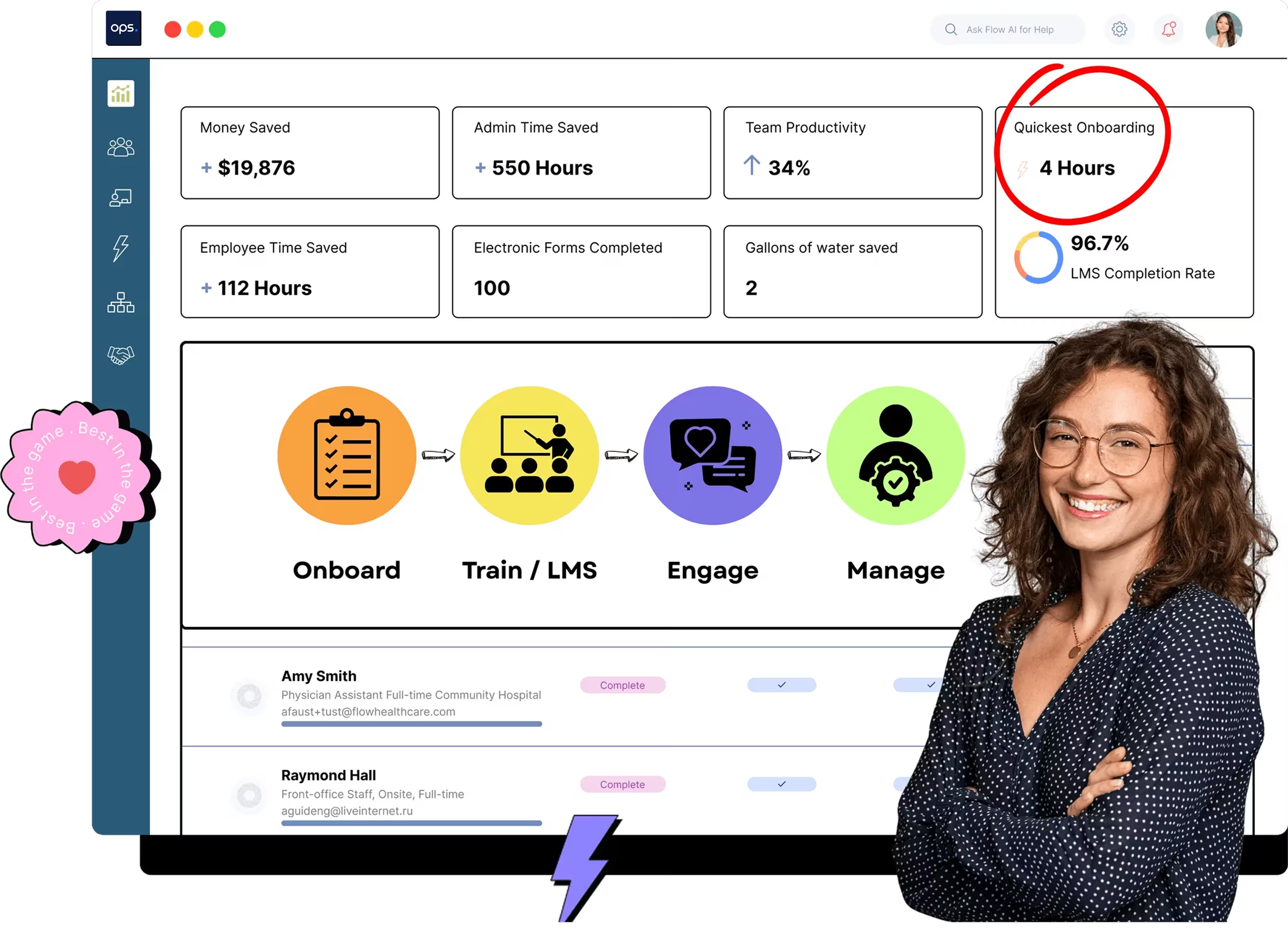
An effective occupational therapist onboarding program must have five core pillars to be successful. These include providing role clarity, giving new OTs confidence in the role, maintaining compliance with regulations, facilitating connections with other staff, and immersing new hires in the organization’s culture. Such a program ensures an all-round onboarding experience that improves job satisfaction, retention, and contributes to better patient outcomes.
Key Takeways
- An effective OT onboarding program is built on five pillars: connection, confidence, clarity, culture, and compliance
- New OT grads need more time and support through mentorship and a gradual onboarding process to help them transition into their first role
- Providing ongoing feedback during and after the onboarding process keeps OTs engaged and the organization aware of issues to address before they escalate into turnover
- Training and a structured mentorship program are essential for successfully preparing OTs for clinical practice and safe patient care
An effective onboarding program eases the transition that new occupational therapists experience when joining a new facility. It provides them with the tools to succeed at their job and affirms their decision to join your clinic. Here are the best practices to consider when developing an OT onboarding program.
What Are the Requirements for Onboarding New Grads?
A new grad who wants to become an occupational therapist has different onboarding requirements compared to a more experienced OT.
Therefore, your onboarding program should focus on helping them bridge the gap between the concepts they learned in school and their application in clinical practice.
Here’s how you can tailor your onboarding program for new OT graduates:
- Create a mentorship program that pairs each new grad with a more experienced OT
- Assign a supervisor to new grads during the first few months for hands-on guidance
- Communicate your expectations clearly, including goals and performance metrics
- Slow down the ramp-up schedule to give them time to adjust to their role and gain confidence in their skills
Credentialing
Your onboarding program should comply with legal, regulatory, and company-specific requirements. You want to make sure that your new hires have the necessary qualifications.
Legal requirements include the OT's:
- Education that qualified them to offer occupational therapy and rehabilitation services
- Certification in occupational therapy from the National Board for Certification in Occupational Therapy (NBCOT)
- Licensure from the relevant state body
- Employment contracts that meet Labor law regulations
- Tax forms
Regulatory requirements include HIPAA and OSHA. Company-specific regulations vary depending on the facility, but they may include the employee code of conduct, operational guidelines, and confidentiality requirements.
Incorporating compliance with these requirements into your onboarding process lays the groundwork for protecting your facility from legal and financial risk.
Compliance is an ongoing activity, and regulations are constantly evolving. Therefore, automating this process using onboarding software is one way to keep your practice compliant.
Ops.work lets you standardize your process by customizing onboarding workflows to ensure each new employee submits the required documents for credentialing and background checks.
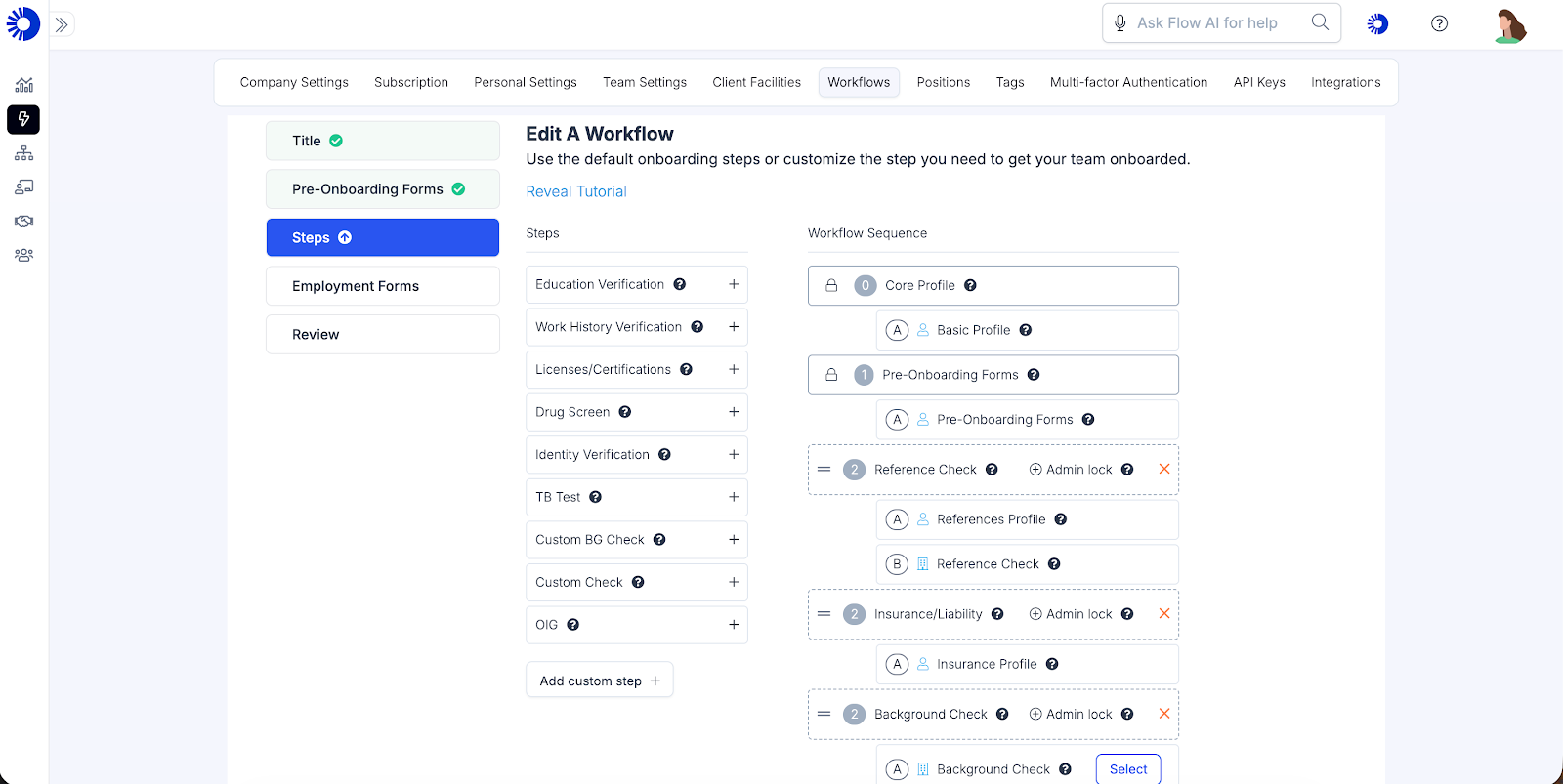
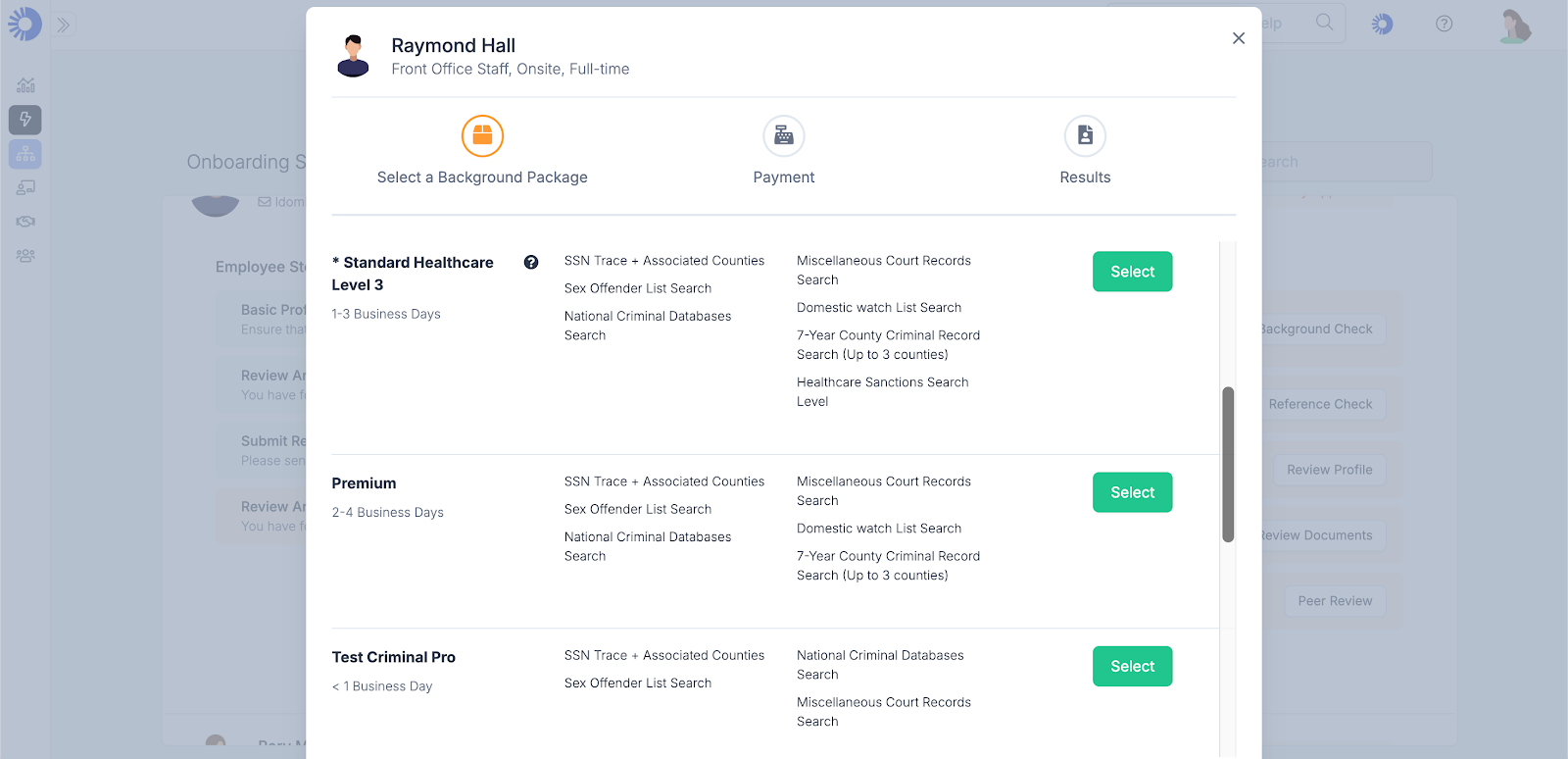
Ops.work makes it easy to run various background checks, to verify your therapists are qualified to work in healthcare facilities:
You can also automatically assign compliance and role-based training materials to all new therapists:

Once the courses are assigned, you can track course completion rates and other compliance metrics:
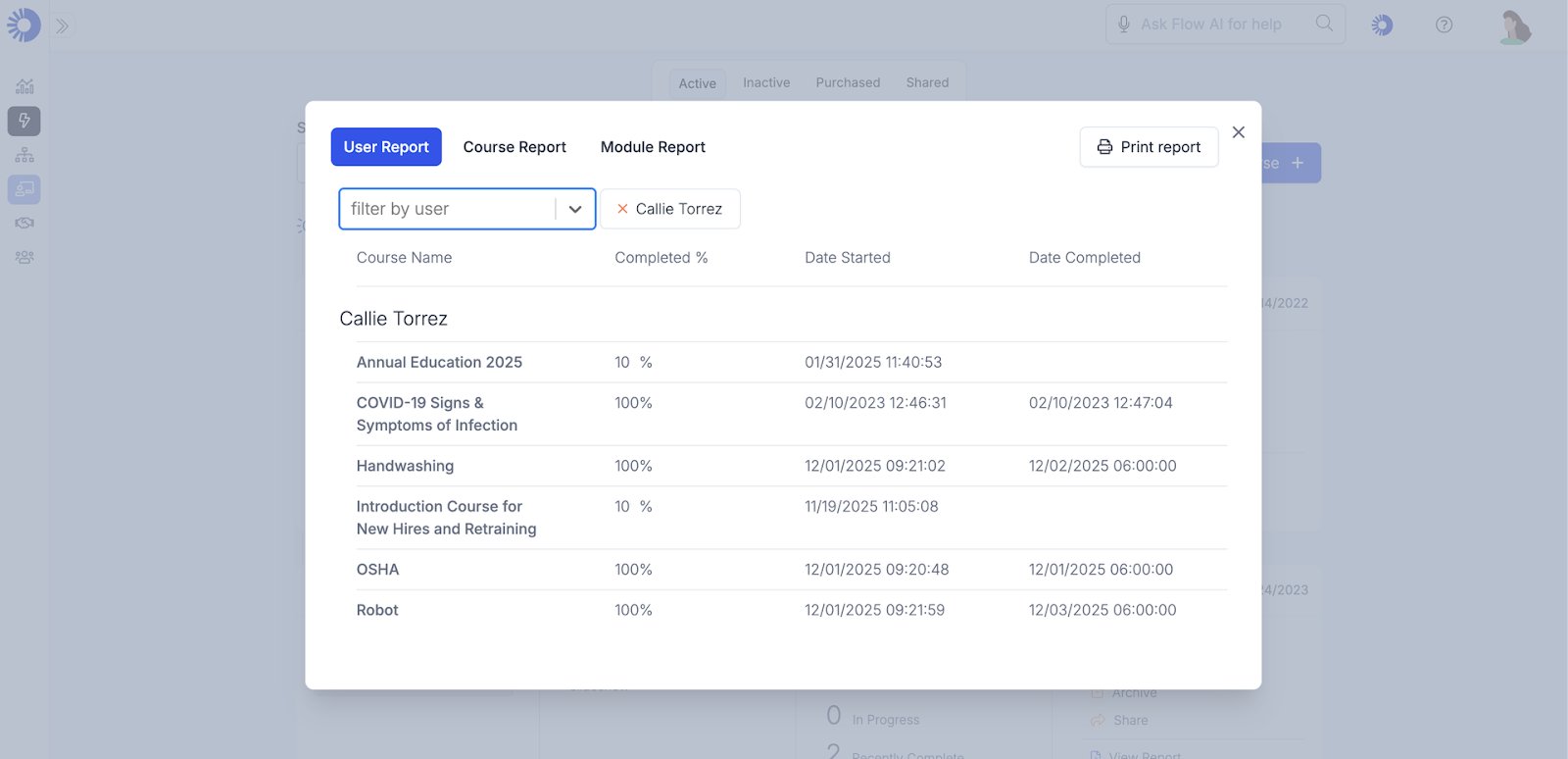
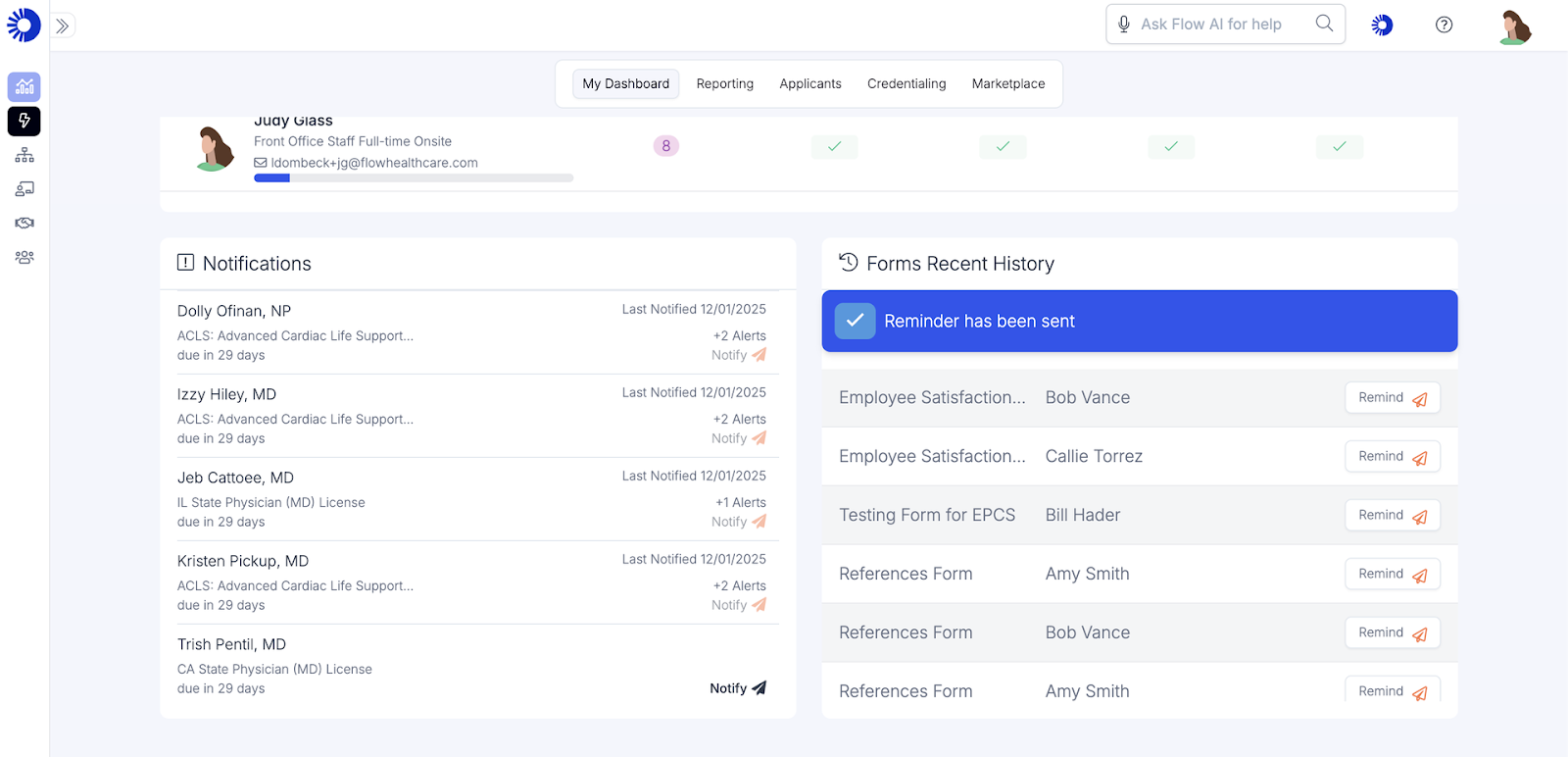
If there are concerns about some employees not completing compliance courses, you can easily send them reminders to follow up:
What are the Key Responsibilities of an Occupational Therapist?
New staff thrive when they understand their roles and responsibilities from day one. This goes beyond providing them with a job description. It includes communicating how their role fits in with the goals of the occupational therapy department and the organization as a whole.
Employees who are clear on what they can and can't do are less likely to commit workplace violations. Clarification should begin long before you onboard your hires. Here's how you can promote clarity for new staff:
- Provide them with a clear description of their duties
- Clarify how roles are divided within the team. This enhances team collaboration and reduces the likelihood of miscommunication.
- Provide a clear schedule before employees report for the first day
- Provide clarity on who they can approach for assistance on different issues
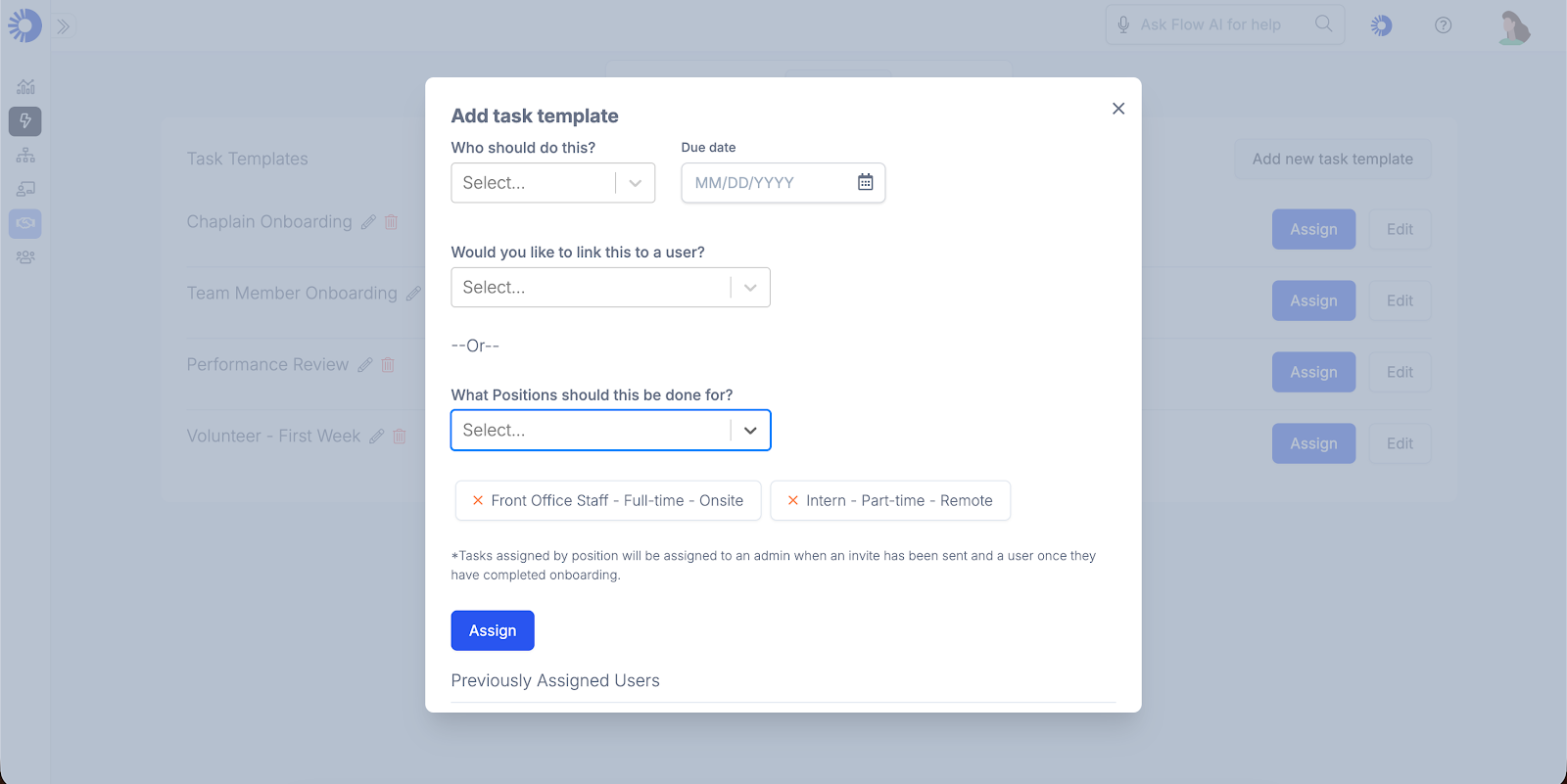
ops.work comes with a comprehensive task management dashboard that allows you to create and assign tasks to employees and administrators based on customizable rules. This lets everyone know what to do.
Onboarding Occupational Therapists with a Structured Mentorship System
Your onboarding program should leave new staff feeling confident about their ability to navigate your facility and perform their duties.
There are different ways you can build confidence as part of your onboarding program:
- Give a comprehensive tour of the facilities
- Introduce new hires to members of other departments and teams
- Pair them with a mentor
- Set attainable personal, performance, and learning goals
- Provide constructive and honest feedback
- Celebrate their successes
- Let them know where to find additional information they need to succeed at their job
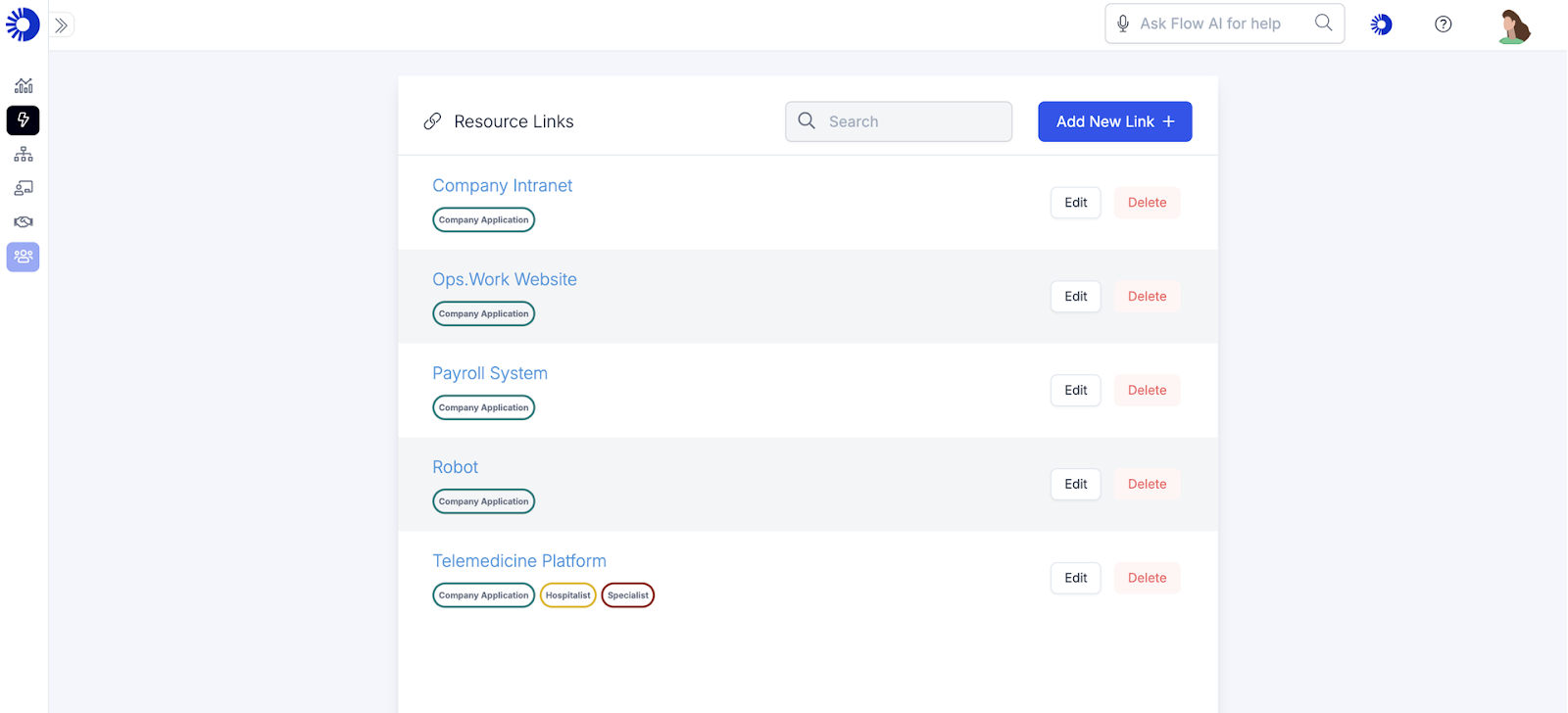
Ops.work offers a comprehensive suite of features, including a resource directory where you can link to all resources that your employees may need to succeed in their roles. Create your own database with our free plan.
Connection
Healthcare professionals succeed when they build meaningful relationships with their peers. Onboarding for new therapy professionals provides a perfect opportunity to build lasting relationships, retain new hires, and enhance employee well-being.
Some ways your program can foster connections between your team members include:
- Include employee pictures in your personalized welcome packets
- Introduce your new staff to other members of the company
- Implement a buddy system. It could be informal or formal, such as structured mentorship programs
- Conduct regular check-ins to see how your therapists are adjusting to the new environment and building relationships.
- Conduct team-building activities that help new members interact with other staff in a relaxed environment
Ops.work provides engagement tools to help you communicate with your whole team or individual employees. You can send newsletters to all employees about company-wide news and events.
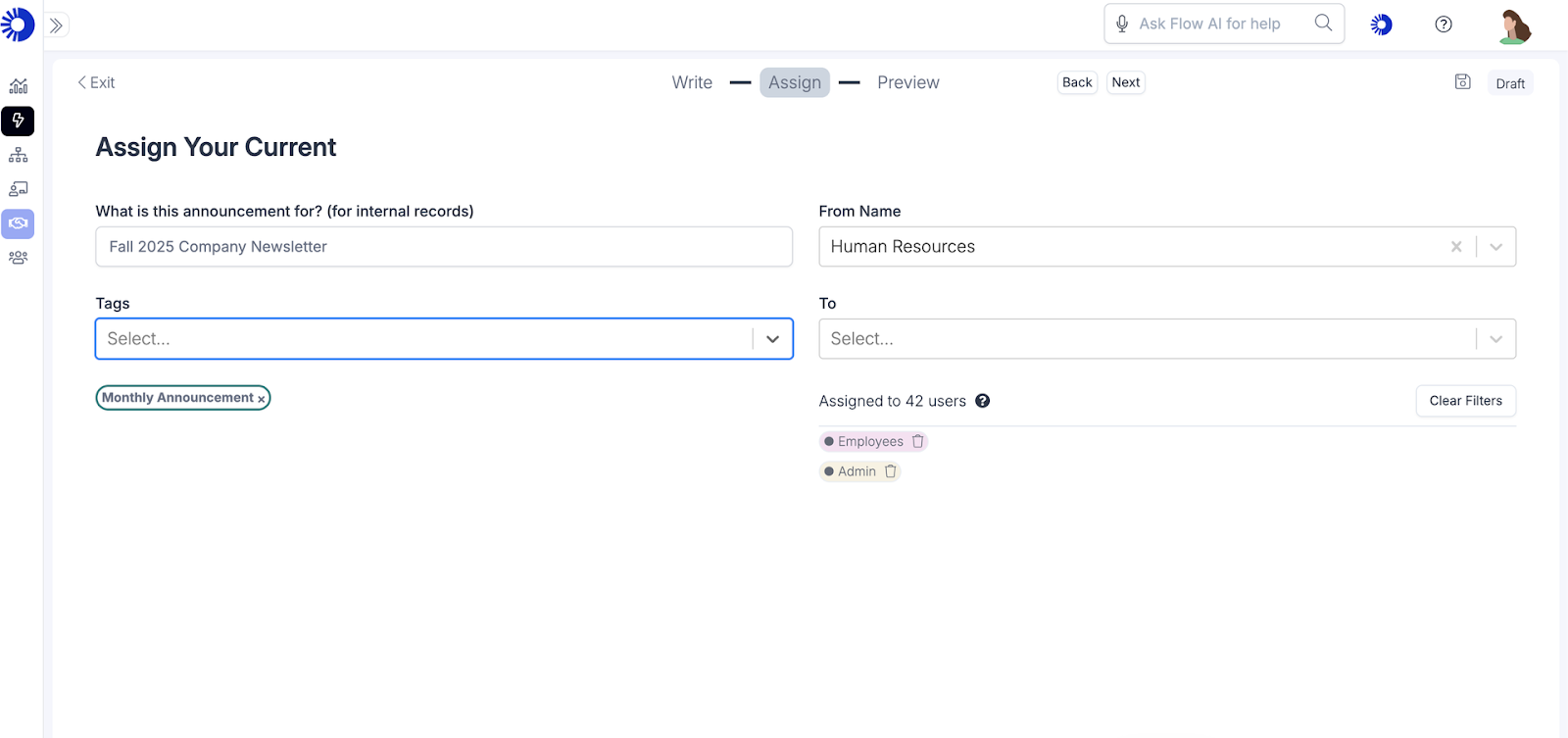
You can also track the engagement on these announcements to measure the effectiveness of your organizational communication.

Culture
Culture refers to the values, beliefs, and norms of an organisation. It defines how and why things are done the way they are in your facility. Some elements of organizational culture are clearly defined through the code of conduct and other company documents.
However, others are unstated, but still have a profound impact on your organization. The hiring process is the first place you introduce your culture to potential employees.
When done well, cultural onboarding creates a sense of belonging. Here are ways to integrate culture when onboarding new staff:
- Hold an orientation meeting to introduce your occupational therapists to your mission, vision, and goals
- Set behavioral expectations with all staff
- Reward behavior that aligns with the organization's culture
- Create a support system so your occupational therapists may reach out when in need
- Provide ongoing cultural training sessions to remind your staff why you do what you do
With ops.work, you can create cultural training courses to familiarize your employees with your vision and goals.

If you operate in more than one location, you can share these courses with other facilities to ensure a uniform culture.

Conclusion
Being intentional about how you integrate occupational therapists into your team can influence whether they commit to your organization. A good onboarding strategy should comply with both internal and external regulations, foster meaningful connections, build confidence in their skills, clarify roles and expectations, and facilitate cultural integration. Get started with our free plan to create a strong occupational therapist onboarding program.
References
Kosinski, Matthew. “Onboarding: The Key to Elevating Your Company Culture.” Www.shrm.org, 2023, www.shrm.org/executive-network/insights/onboarding-key-to-elevating-company-culture.
Khan, Jawad. “How to Onboard New Employees in 2024 [with Checklist].” Selectsoftwarereviews.com, SelectSoftware Reviews, 18 Dec. 2023, www.selectsoftwarereviews.com/blog/onboarding-process.
Roura-Rovira, Sílvia, et al. “Integrating an Occupational Therapist into a Primary Health Care Team: A Mixed-Method Evaluation of a Home-Based Service Delivery.” BMC Health Services Research, vol. 25, no. 1, 19 Nov. 2025, https://doi.org/10.1186/s12913-025-13679-5.
Frequently Asked Questions
There are several ways to support new grads as they grow into qualified occupational therapy professionals. Establish a mentorship program, peer groups, and provide resources and opportunities for continuing education.
New graduates can integrate into your occupational therapy team through a structured and personalized program. This program should introduce them to your organization, their duties, and provide support as they ease into providing quality patient care.
Staff retention boils down to keeping your new employees engaged. You can achieve this by clearly communicating their roles, setting expectations, setting goals together, and encouraging engagement with other team members. Creating a buddy system and conducting team-building activities can help promote collaboration and foster stronger teams.
The 30-60-90-day plan breaks down the key activities and milestones new staff must complete within the first 90 days of employment. For employees, it serves as a roadmap to help them navigate the first few months of employment. For hiring managers, it serves as a tool to provide clarity and help employees succeed in their roles.